Test questions by topic
Citizenship test questions on history, symbols and remembrance
4 min readDiesen Ratgeber auf Deutsch lesen
This topic brings together 18 questions from three areas. First, the national symbols: the flag, the federal coat of arms with its eagle, the Federal Eagle in the Bundestag and the opening words of the national anthem. Second, Jewish life and Israel: how long there have been Jewish communities in Germany, where the largest are, the synagogue, the Makkabi sports clubs, the founding of Israel and Germany's special responsibility. Third, the history of the Federal Republic after 1949: Konrad Adenauer as the first Chancellor, the economic miracle, Willy Brandt's Kniefall and Eastern Treaties, and the guest workers. Study tip: many answers are names. Tie each person to one keyword – Adenauer: first Chancellor; Brandt: Kniefall and Ostverträge – and for the picture question on the coat of arms remember that the federal eagle is black on gold, while the hammer and compass belong to the GDR.
What you should know
- The federal flag is black, red and gold, and the national anthem begins “Einigkeit und Recht und Freiheit” (unity and justice and freedom) – more in our guide to Germany's national symbols.
- The heraldic animal is the eagle: the federal coat of arms shows a black eagle on a gold background, and as the Federal Eagle (Bundesadler) it hangs in the Bundestag's plenary chamber (question 21).
- There have been Jewish communities on the territory of present-day Germany for about 1,700 years; the largest today are in Berlin and Munich.
- The Jewish house of prayer is the synagogue; anyone can join the roughly 40 Jewish Makkabi sports clubs.
- The State of Israel was founded on the basis of a United Nations resolution.
- Germany's special responsibility towards Israel stems from the National Socialist crimes against Jews.
- The first Chancellor of the Federal Republic was Konrad Adenauer; the economic miracle (Wirtschaftswunder) happened in the 1950s.
- Willy Brandt is associated with the Eastern Treaties (Ostverträge); by kneeling in Warsaw in 1970 (the Kniefall) he asked Poland and the Polish Jews for forgiveness.
- Foreign workers recruited by West Germany in the 1950s and 1960s were called guest workers (Gastarbeiter) – the first came from Italy.
The questions with the correct answer (18 questions)
Practise this topicQuestion 21
Which is the coat of arms of the Federal Republic of Germany?
Welches ist das Wappen der Bundesrepublik Deutschland?
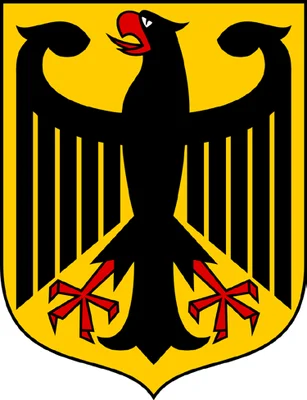 Image 1 – Correct answer
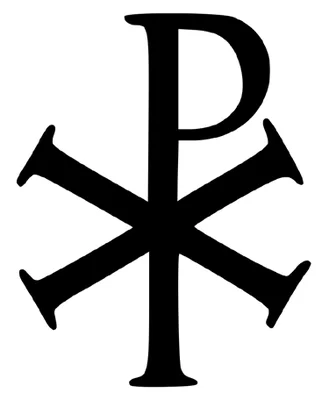 Image 2
 Image 3
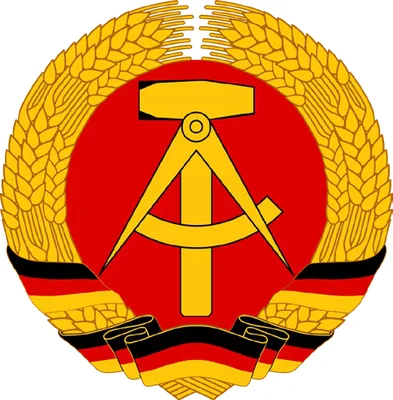 Image 4
Question 29
Which animal is the heraldic animal on the coat of arms of the Federal Republic of Germany?
Welches Tier ist das Wappentier der Bundesrepublik Deutschland?
- Lion
- Eagle – Correct answer
- Bear
- Horse
In the test (German): Adler
View this questionQuestion 40
With which words does the German national anthem begin?
Mit welchen Worten beginnt die deutsche Nationalhymne?
- Peoples, hear the signals …
- Unity and justice and freedom … – Correct answer
- Joy, beautiful spark of the gods …
- Germany, united fatherland …
In the test (German): Einigkeit und Recht und Freiheit …
View this questionQuestion 59
How many years ago was there first a Jewish community on the territory of present-day Germany?
Vor wie vielen Jahren gab es erstmals eine jüdische Gemeinde auf dem Gebiet des heutigen Deutschlands?
- about 300 years ago
- about 700 years ago
- about 1150 years ago
- about 1700 years ago – Correct answer
In the test (German): vor etwa 1700 Jahren
View this questionQuestion 66
Which cities have the largest Jewish communities in Germany?
Welche Städte haben die größten jüdischen Gemeinden in Deutschland?
- Berlin and München – Correct answer
- Hamburg and Essen
- Nürnberg and Stuttgart
- Worms and Speyer
In the test (German): Berlin und München
View this questionQuestion 118
Who may become a member of the approximately 40 Jewish Makkabi sports clubs?
Wer darf bei den rund 40 jüdischen Makkabi-Sportvereinen Mitglied werden?
- only Germans
- only Israelis
- only religious people
- all people – Correct answer
In the test (German): alle Menschen
View this questionQuestion 165
What was the name of the first Federal Chancellor of the Federal Republic of Germany?
Wie hieß der erste Bundeskanzler der Bundesrepublik Deutschland?
- Konrad Adenauer – Correct answer
- Kurt Georg Kiesinger
- Helmut Schmidt
- Willy Brandt
In the test (German): Konrad Adenauer
View this questionQuestion 180
The first Federal Chancellor of the Federal Republic of Germany was …
Der erste Bundeskanzler der Bundesrepublik Deutschland war …
- Ludwig Erhard.
- Willy Brandt.
- Konrad Adenauer. – Correct answer
- Gerhard Schröder.
In the test (German): Konrad Adenauer.
View this questionQuestion 181
What did Willy Brandt want to express by kneeling (Kniefall) in 1970 in the former Jewish ghetto in Warsaw?
Was wollte Willy Brandt mit seinem Kniefall 1970 im ehemaligen jüdischen Ghetto in Warschau ausdrücken?
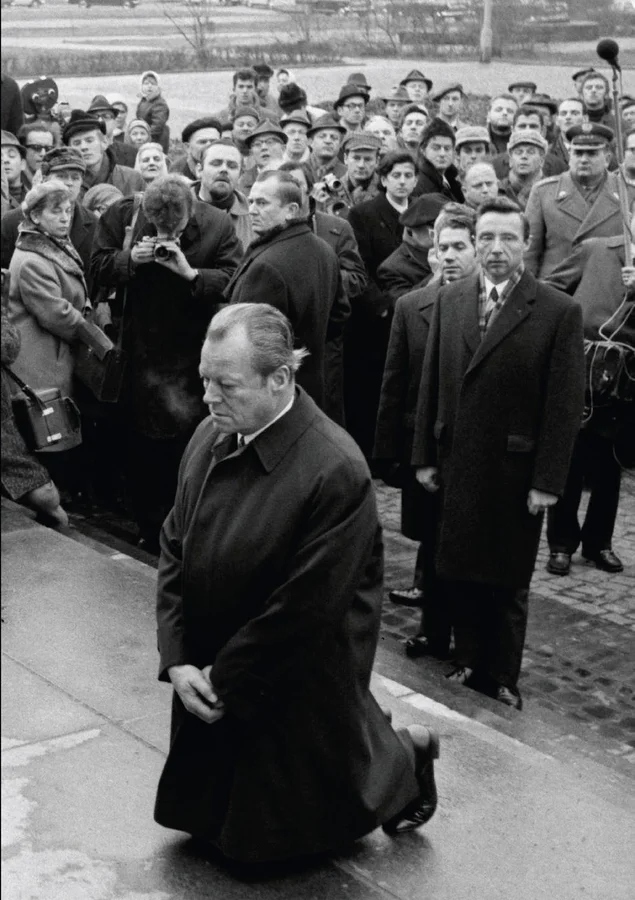
Image: © Bundesregierung/Engelbert Reineke - He submitted to the former Allies.
- He asked Poland and the Polish Jews for forgiveness. – Correct answer
- He showed his humility before the Warsaw Pact.
- He said a prayer at the Tomb of the Unknown Soldier.
In the test (German): Er bat Polen und die polnischen Juden um Vergebung.
View this questionQuestion 182
What is the Jewish house of prayer called?
Wie heißt das jüdische Gebetshaus?
- basilica
- mosque
- synagogue – Correct answer
- church
In the test (German): Synagoge
View this questionQuestion 183
When was the "economic miracle" ("Wirtschaftswunder") in the Federal Republic of Germany?
Wann war in der Bundesrepublik Deutschland das "Wirtschaftswunder"?
- the 40s
- the 50s – Correct answer
- the 70s
- the 80s
In the test (German): 50er Jahre
View this questionQuestion 184
On what legal basis was the State of Israel founded?
Auf welcher rechtlichen Grundlage wurde der Staat Israel gegründet?
- a resolution of the United Nations – Correct answer
- a decision of the Zionist Congress
- a proposal by the Federal Government
- a proposal by the USSR
In the test (German): eine Resolution der Vereinten Nationen
View this questionQuestion 211
Which politician is associated with the “Ostverträge” (Eastern Treaties)?
Welcher Politiker steht für die "Ostverträge"?
- Helmut Kohl
- Willy Brandt – Correct answer
- Michail Gorbatschow
- Ludwig Erhard
In the test (German): Willy Brandt
View this questionQuestion 214
What are the colours of the German flag?
Welche Farben hat die deutsche Flagge?
- black-red-gold – Correct answer
- red-white-black
- black-red-green
- black-yellow-red
In the test (German): schwarz-rot-gold
View this questionQuestion 216
Which symbol can be seen in the plenary chamber of the German Bundestag (federal parliament)?
Welches Symbol ist im Plenarsaal des Deutschen Bundestages zu sehen?
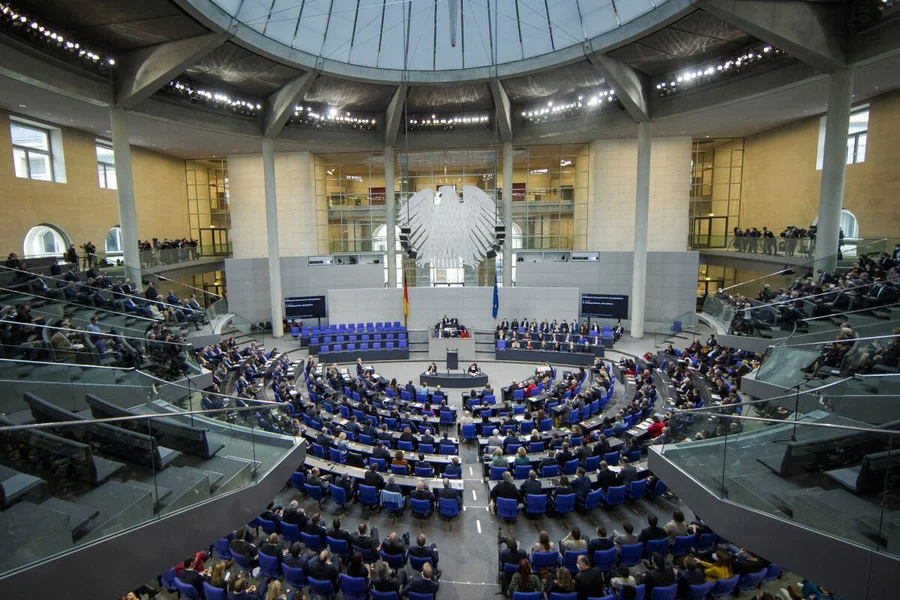
Image: © Deutscher Bundestag/Janine Schmitz - the Federal Eagle (Bundesadler) – Correct answer
- the flag of the city of Berlin
- the Imperial Eagle (Reichsadler)
- the Imperial Crown (Reichskrone)
In the test (German): der Bundesadler
View this questionQuestion 288
What is the basis of Germany's special responsibility towards Israel?
Woraus begründet sich Deutschlands besondere Verantwortung für Israel?
- membership of the European Union (EU)
- the National Socialist crimes against Jews – Correct answer
- the Basic Law (Grundgesetz) of the Federal Republic of Germany
- the Christian tradition
In the test (German): aus den nationalsozialistischen Verbrechen gegen Juden
View this questionQuestion 299
Foreign workers who were recruited by the Federal Republic of Germany in the 50s and 60s were called …
Ausländische Arbeitnehmerinnen und Arbeitnehmer, die in den 50er und 60er Jahren von der Bundesrepublik Deutschland angeworben wurden, nannte man …
- undeclared workers.
- guest workers. – Correct answer
- temporary agency workers.
- shift workers.
In the test (German): Gastarbeiterinnen/Gastarbeiter.
View this questionQuestion 300
From which country did the first guest workers come to the Federal Republic of Germany?
Aus welchem Land kamen die ersten Gastarbeiterinnen und Gastarbeiter in die Bundesrepublik Deutschland?
- Italy – Correct answer
- Spain
- Portugal
- Turkey
In the test (German): Italien
View this question
More topics
Frequently asked questions
How many questions on history, symbols and remembrance are in the test?
This topic covers 18 of the 300 general questions. How many appear in your test isn't fixed – on average it works out at just under 2 of your 30 general questions.
How long has there been Jewish life in Germany?
For around 1,700 years: a decree issued by Emperor Constantine in 321 documents Jews living in Cologne. That's why “about 1700 years ago” is the right answer in the test.
What did Willy Brandt's Kniefall mean?
On 7 December 1970 Chancellor Willy Brandt knelt before the Ghetto Heroes Monument in Warsaw. The gesture is understood as a plea for forgiveness to Poland and the Polish Jews for Germany's crimes in the Second World War.
Keep reading
- Knowledge for the testFlag, coat of arms, anthem: Germany's national symbolsBlack-red-gold, the federal eagle and the national anthem: where Germany's state symbols come from and what you need to know about them for the test.
- Knowledge for the testGerman history timeline for the citizenship testFrom 1933 through division and the fall of the Wall to today: the dates in German history that come up in the citizenship test, as a compact timeline.
- Test questions by topicCitizenship test questions on family, school and trainingMarriage, parenting, nursery, compulsory schooling and vocational training: every citizenship test question on family and education, with answers.
This guide is not legal advice. Laws and administrative practice can change; your naturalisation authority's information is binding.